


About Tibet
General background
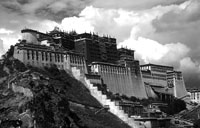
The Potala in Lhasa, Tibet
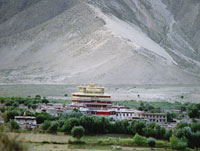
Tibetan monastery
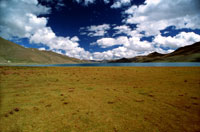
Tibetan landscape
The Occupation of Tibet
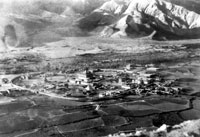
Samye, Tibet, before the Chinese occupation
During the Communist invasion of Tibet starting in 1949, and the complete occupation of Tibet in 1959, over 1 million people died, thousands of the most learned scholars and accomplished masters were tortured and killed, and most libraries and monasteries were totally destroyed. Since the invasion, hundreds of thousands of Tibetans have risked their lives to escape the oppression, seeking refuge in the neighboring countries of Nepal, India and Bhutan. To flee, they must make a perilous journey by foot over the Himalayas. Many do not survive the journey and others reach the border frostbitten, frail, and suffering serious ailments. Many of the children who survive have lost several fingers and toes due to exposure to the extreme climate. Some of them have witnessed many family members or friends die on the way. More than 1.2 million Tibetans, one fifth of Tibet's population, have died as a direct result of the invasion.
Living in Tibet, the risk of being imprisoned and tortured is very high and can occur without any provocation. Common grounds for horrifying punishments may involve a mere suspicion that a particular individual is against the Chinese government (such as by talking inaudibly to a Western person or even to other Tibetans), possessing a photograph of His Holiness the Dalai Lama, and being related to someone who was accused of helping Tibetans escape from Tibet. Much of the Chinese oppression involves trying to eradicate the spiritual beliefs and traditions of the Tibetans – even their own language.
Many Tibetans decide to risk their life in hope of a future where they would be free to practise the spiritual path so deeply a part of them and to have the benefit of basic human freedom, away from the suffering and cruelty of the oppression. The refugee survivors arrive in a foreign country destitute, and in urgent need of medical care, provisions, and shelter. They do not speak the local language and many not have received an education, having been imprisoned in forced-labour camps, where they endured being tortured with inhumane cruelty. Several organizations are working together in an effort to provide urgent care for refugees, as well as to provide them with opportunities to develop skills and to eventually find employment.
If you would like to learn more about the occupation, the following site provides detailed information and facts regarding the invasion of Tibet and the destruction that ensued www.tibet.com/Humanrights/poptrans.html.
Facts
Tibetan Population in Exile:
Approx: 111,170 Tibetans in exile, including 85,000 in India; 14,000 in Nepal; 1,600 in Bhutan; 1,540 Switzerland; 640 in the rest of Europe; 110 in Scandinavia; 7,000 in the USA and Canada; 60 in Japan; 1,000 in Taiwan; and 220 in Australia and New Zealand; (Based on Tibetan Demographic Survey of 1998, Planning Council, Dharamsala)

Other helpful links